1133 Bryan Rd. O'Fallon, MO 63366

Why Your Dental Crown Won’t Last Forever (And What You Can Do About It)



If you have a dental crown, you probably assume it will last a lifetime. Unfortunately, that is rarely the case. Understanding why your dental crown won’t last forever — and what you can do about it in O’Fallon — is the first step toward protecting your smile. At Twin Oaks Family Dental, Dr. Blake Ferando helps patients make informed decisions about their dental care every day.
Crowns are strong, but they are not indestructible. Knowing what shortens their lifespan can save you time, discomfort, and money. This guide covers everything you need to know about crown longevity and how to get the most out of your restoration.
How Long Does a Dental Crown Last in O’Fallon?
Most dental crowns last between 10 and 15 years. Some crowns last longer with excellent care. Others fail much sooner due to habits, diet, or oral health issues. The material of your crown also plays a major role in its longevity.
Porcelain crowns look natural but can chip more easily than metal. Gold and metal alloy crowns are extremely durable but less cosmetically appealing. Porcelain-fused-to-metal crowns offer a balance of strength and appearance. Your dentist will recommend the best option based on the tooth’s location and function.
Here is a general lifespan breakdown by crown material:
- Gold or metal alloy: 20–30 years or more
- Porcelain-fused-to-metal: 10–15 years
- All-ceramic or all-porcelain: 10–15 years
- Zirconia: 15–20 years
These are averages, not guarantees. Your daily habits have a significant impact on where your crown falls on that spectrum.
What Shortens Your Crown’s Lifespan?
Several factors accelerate crown wear and failure. Understanding these risks helps you take preventive action before damage occurs. Dr. Ferando regularly educates Twin Oaks Family Dental patients on these common crown killers.
Teeth grinding (bruxism) is one of the leading causes of premature crown failure. Grinding puts enormous pressure on the crown surface. Over time, that pressure causes cracking, chipping, and loosening. Many people grind their teeth at night without realizing it.
Chewing hard foods also takes a serious toll. Ice, hard candy, popcorn kernels, and crusty bread all put excessive stress on your restoration. A single hard bite can crack a porcelain crown beyond repair. Avoiding these foods protects both your crown and natural teeth.
Poor oral hygiene is another major factor. Bacteria can still attack the tooth structure beneath your crown. Decay under a crown — called recurrent decay — is a common reason crowns fail. Brushing, flossing, and regular cleanings are non-negotiable.
Other factors that shorten crown life include:
- Using your teeth as tools to open packages or bottles
- Chewing on pens, pencils, or fingernails
- Consuming highly acidic foods and beverages regularly
- Skipping routine dental checkups and cleanings
- Poor crown fit at the time of placement
Signs Your Crown Needs Replacing in O’Fallon
Your crown will often give you warning signs before it fails completely. Catching these signs early prevents more extensive — and expensive — treatment. At Twin Oaks Family Dental, Dr. Ferando checks your existing crowns at every routine exam.
Watch for these warning signs that your crown may need attention:
Pain or sensitivity around a crowned tooth is a red flag. It could signal decay under the crown, a cracked crown, or a failed seal. Do not ignore dental pain, even if it seems minor. It rarely resolves on its own.
A loose or wobbly crown means the cement holding it in place has broken down. This can happen gradually over many years. A loose crown allows bacteria to enter and damage the underlying tooth. Schedule an appointment as soon as you notice any movement.
Visible damage such as chips, cracks, or worn-down surfaces is a clear sign of trouble. Even small chips can grow into larger fractures under chewing pressure. Worn crowns may also affect your bite alignment over time.
Dark lines or discoloration at the gum line of a crown can indicate that the metal base of a porcelain-fused-to-metal crown is showing. It may also suggest gum recession around the tooth. Either way, it is worth having Dr. Ferando evaluate it.
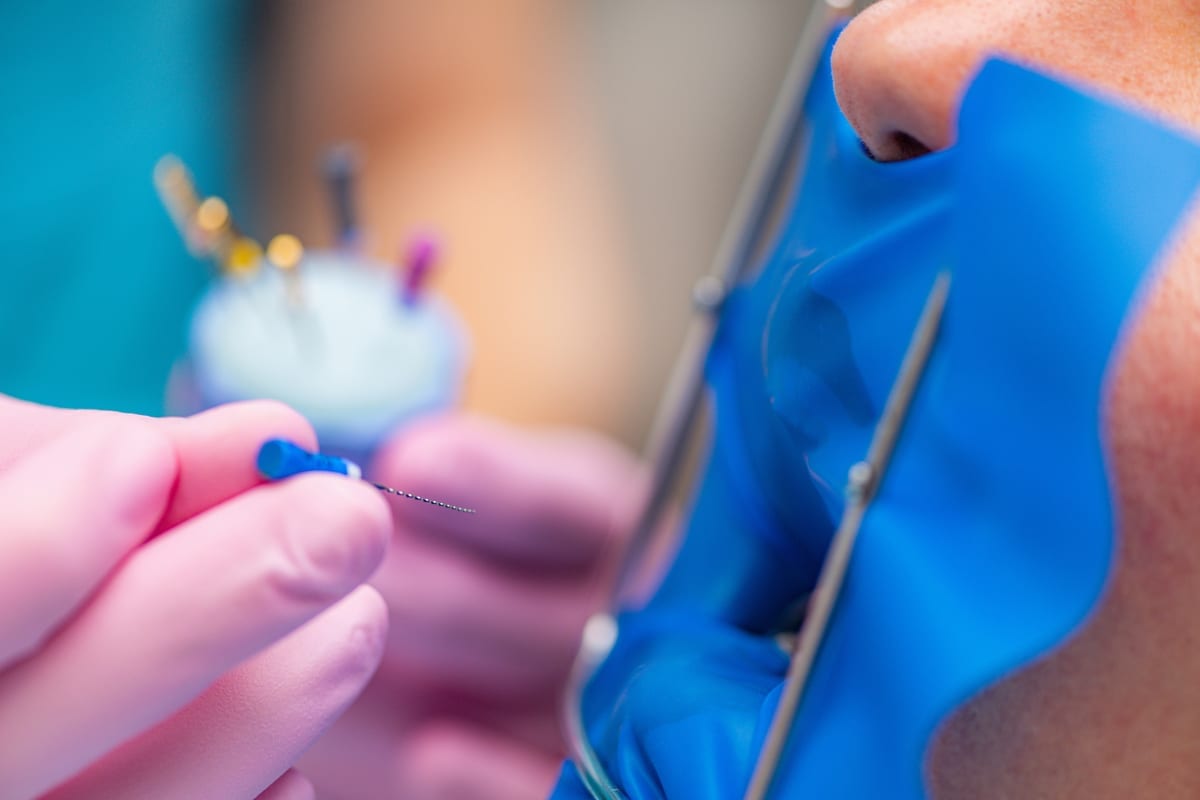
Sometimes a failing crown requires additional procedures. If decay reaches the root, you may need Root Canals O’Fallon before a new crown can be placed. In other cases, the tooth may not be salvageable and a replacement option like Dental Bridges O’Fallon may be recommended.
How to Extend the Life of Your Dental Crown
Good news — you have significant control over how long your crown lasts. Adopting a few key habits can add years to its functional life. Dr. Ferando and the Twin Oaks Family Dental team are here to support you every step of the way.
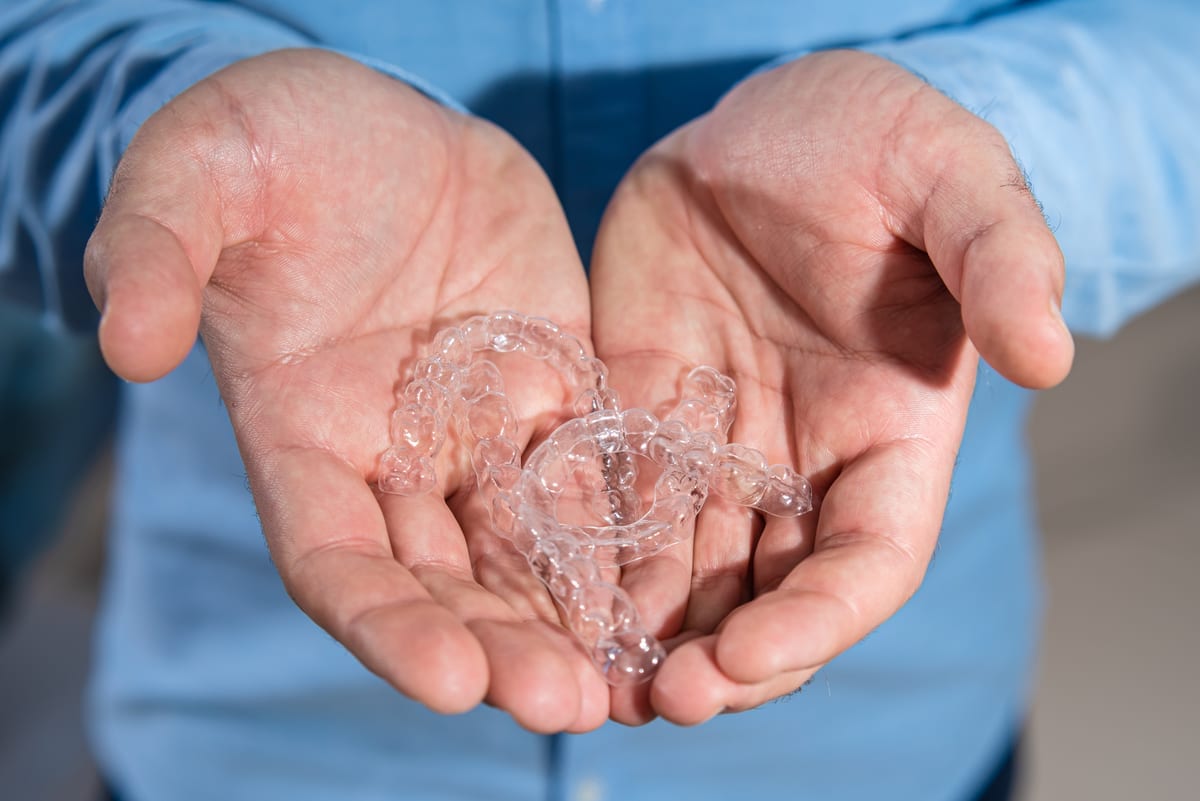
Wear a night guard if you grind your teeth. A custom-fitted night guard from your dentist protects your crown from grinding forces while you sleep. Over-the-counter guards exist, but a custom fit offers far superior protection and comfort.
Maintain excellent oral hygiene around your crown. Brush twice daily with a soft-bristled toothbrush. Floss carefully along the gum line of the crowned tooth. Consider using an antibacterial mouthwash to reduce bacterial buildup in hard-to-reach areas.
Attend regular dental checkups. Routine exams allow Dr. Ferando to catch minor crown problems before they become major ones. Professional cleanings also remove plaque and tartar that can contribute to decay under your crown. Twice-yearly visits are ideal for most patients.
Modify your diet. Minimize hard, sticky, and highly acidic foods. Sticky candies and caramel can literally pull a crown loose. Hard foods generate enough force to fracture even strong restorations. Small dietary changes can dramatically extend your crown’s lifespan.
Frequently Asked Questions
How do I know if my dental crown has failed?
Common signs of crown failure include pain, sensitivity, looseness, visible cracks or chips, and dark lines near the gum line. If you notice any of these symptoms, contact Twin Oaks Family Dental in O’Fallon to schedule an evaluation with Dr. Ferando as soon as possible.
Can a dental crown get a cavity?
The crown itself cannot decay, but the natural tooth structure beneath it can. Bacteria can enter through a compromised seal or exposed tooth root. This is why maintaining good oral hygiene and attending regular dental checkups is so important for crowned teeth.
Is it painful to replace a dental crown?
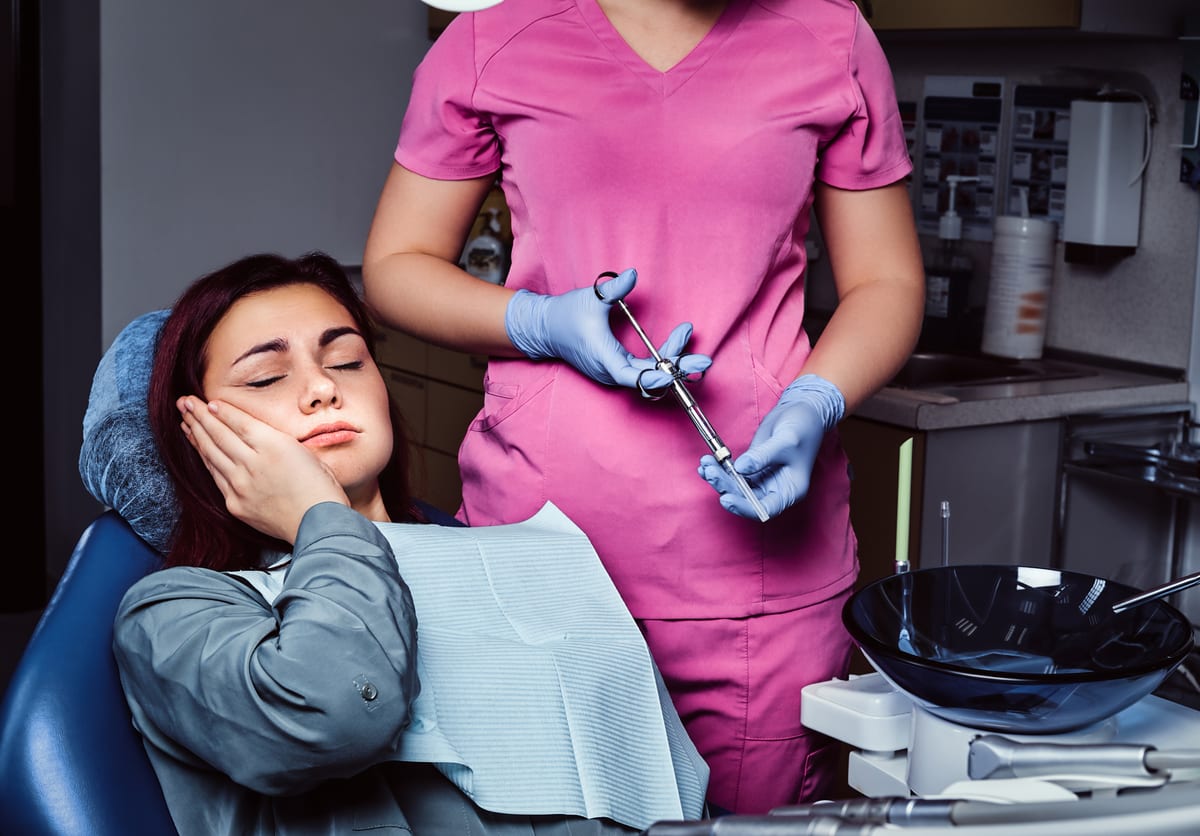
Replacing a dental crown is generally no more uncomfortable than getting the original crown. Local anesthesia is used during the procedure so you should not feel pain. Some mild sensitivity is normal after the anesthesia wears off but typically resolves within a few days.
What happens if I ignore a failing crown?
Ignoring a failing crown allows bacteria to reach the vulnerable tooth underneath. This can lead to decay, infection, and in severe cases, the need for a root canal or tooth extraction. Addressing crown problems early is always the less invasive and less costly option.
How soon should I call my dentist if my crown feels loose?
You should call your dentist as soon as you notice any movement in your crown. A loose crown exposes the underlying tooth to bacteria and increases the risk of damage. Twin Oaks Family Dental in O’Fallon makes every effort to see patients with dental concerns promptly.