1133 Bryan Rd. O'Fallon, MO 63366

Does Your Root Canal Really Have to Hurt? What Modern Dentistry Actually Feels Like


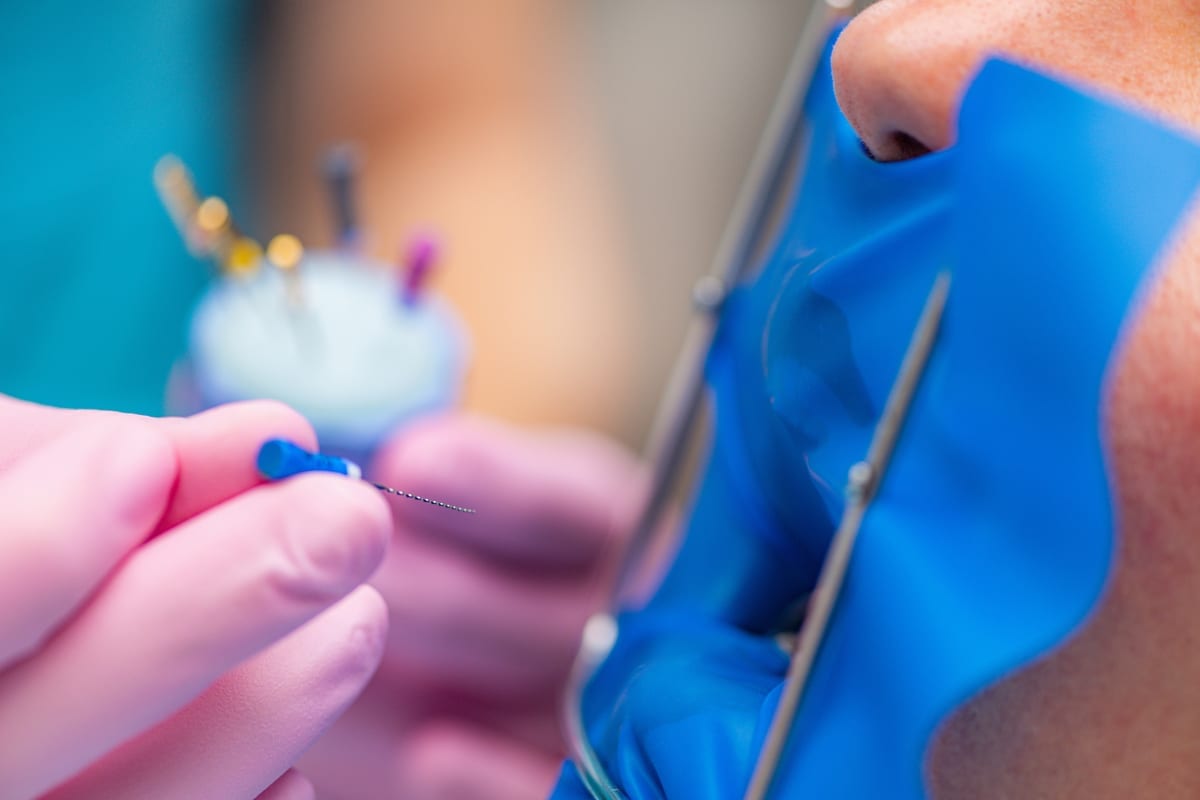
Root canals have one of the worst reputations in dentistry. Many O’Fallon patients walk in tense, expecting the worst. But here’s the honest answer most people never hear: modern root canals are far more comfortable than the stories suggest. Understanding what actually happens — before, during, and after — can completely change how you feel about this procedure.
At Twin Oaks Family Dental, Dr. Blake Ferando sees this anxiety every day. Patients who need Root Canals O’Fallon often delay treatment because of fear. That delay almost always makes things worse. So let’s break down the real pain picture, step by step.
Why Root Canals Got Such a Bad Reputation
The root canal’s reputation dates back decades. Older techniques involved less effective anesthesia and more invasive tools. Patients from that era passed down their experiences — and those stories stuck around long after dentistry improved.
Today’s procedures are completely different. Anesthesia technology has advanced significantly. Rotary instruments are gentler and faster. Most patients are genuinely surprised by how manageable the experience feels. The reputation simply hasn’t caught up with the reality.
It’s also worth noting: the pain most people associate with a root canal is usually the infected tooth before treatment. The procedure itself relieves that pain — it doesn’t cause it. That’s an important distinction.
What Modern Anesthesia Actually Does During a Root Canal in O’Fallon
Dr. Ferando uses local anesthesia to fully numb the affected tooth and surrounding tissue. This is the same type of anesthesia used for fillings and extractions. When administered properly, it blocks nerve signals so you feel no sharp pain.
Here’s what patients typically feel during the procedure:
- Pressure or pushing sensations — but not pain
- Slight vibration from instruments
- The sensation of the mouth being held open
- Occasional awareness of movement in the area
If any discomfort breaks through, Dr. Ferando simply adds more anesthetic. You should never feel sharp or severe pain during the procedure. Speaking up immediately is always encouraged — your comfort is the priority.
Some teeth with severe infections can be harder to numb fully. In those cases, Dr. Ferando may recommend treating the infection first with antibiotics before proceeding. This ensures full numbness and a much more comfortable experience.
What Recovery Actually Feels Like After Treatment
Once the anesthesia wears off, some soreness is normal. This is your body responding to treatment — not damage. The area around the tooth may feel tender for a few days. Most patients manage this easily with over-the-counter pain relievers.
Here’s a realistic recovery timeline:
- Day 1: Mild to moderate soreness as numbness fades. Avoid chewing on that side.
- Days 2–3: Tenderness when biting or pressing on the tooth. Still manageable with ibuprofen or acetaminophen.
- Days 4–7: Significant improvement for most patients. Normal chewing gradually returns.
- Week 2 onward: Most discomfort resolves. A dental crown is often placed to protect the tooth.
Severe or worsening pain after a root canal is uncommon. If that happens, contact Twin Oaks Family Dental right away. It’s usually easy to address quickly.
Tips to Make Your Root Canal Experience Easier
Preparation makes a real difference. A few simple steps before and after your appointment can significantly reduce discomfort and stress. Dr. Ferando’s team walks every patient through what to expect before they sit in the chair.
Before your appointment, consider these steps:
- Take any prescribed antibiotics exactly as directed
- Eat a light meal before — you won’t want to eat immediately after
- Arrange a ride home if you feel anxious or plan to use sedation
- Avoid alcohol for 24 hours before treatment
After the procedure, stick to soft foods for a day or two. Avoid chewing hard or crunchy items on the treated side. Take pain relievers before the anesthetic fully wears off — don’t wait for pain to peak before medicating.
Rest is genuinely helpful. Most patients return to normal activities the following day. Some even go back to work the same afternoon. Everyone heals a little differently, and that’s perfectly normal.
When a Root Canal Is Actually the Kinder Option
Some patients wonder whether tooth extraction is simpler or less painful. In most cases, a root canal is actually the gentler long-term choice. Saving your natural tooth avoids the complications that come with missing teeth — including bone loss and shifting alignment.
Replacing a lost tooth often requires more complex treatment. Options like Dental Bridges O’Fallon are excellent — but they involve preparing neighboring teeth. Keeping your natural tooth through a root canal is usually simpler, faster, and better for your overall oral health.
Dr. Ferando always recommends the most conservative treatment that protects your long-term smile. Root canal treatment, when needed, is often exactly that option. It’s a procedure designed to save teeth — not punish patients.
Conclusion: Root Canals in O’Fallon Don’t Have to Be Scary
Modern root canal treatment is nothing like the stories you’ve heard. With proper anesthesia, gentle techniques, and a caring dental team, the experience is manageable for the vast majority of patients. The temporary soreness afterward is far easier to handle than an untreated infected tooth.
If you’ve been putting off treatment because of fear, you’re not alone — and you don’t have to stay stuck. Dr. Blake Ferando and the team at Twin Oaks Family Dental in O’Fallon are here to answer every question honestly and help you feel comfortable every step of the way. Book Now to schedule your appointment with our team.
Frequently Asked Questions
Does a root canal hurt while it’s happening?
Most patients feel little to no pain during the procedure itself. Local anesthesia numbs the tooth and surrounding tissue effectively. You may feel pressure or mild vibration, but sharp pain is not a normal part of modern root canal treatment.
How long does soreness last after a root canal?
Most patients experience tenderness for two to four days after the procedure. Over-the-counter pain relievers typically manage this well. Significant improvement usually happens within a week, and most patients return to normal activities quickly.
Is a root canal worse than a tooth extraction?
Not usually. Both procedures use local anesthesia, and both involve some recovery time. A root canal preserves your natural tooth, which is almost always better for long-term oral health. Extractions can lead to additional treatment needs, like bridges or implants, down the road.
What if my tooth won’t get numb?
Some severely infected teeth are harder to numb initially. Dr. Ferando may treat the infection with antibiotics first to make full numbness possible. Additional anesthetic can also be applied during the procedure if needed. You will not be expected to endure pain.
Can I drive myself home after a root canal?
If you receive only local anesthesia, most patients drive themselves home without any issue. If you’ve chosen sedation dentistry for anxiety, you’ll need someone to drive you. Dr. Ferando’s team will let you know in advance what to expect and how to plan accordingly.