1133 Bryan Rd. O'Fallon, MO 63366

Occlusal Mouthguard: How To Know If You Need One?


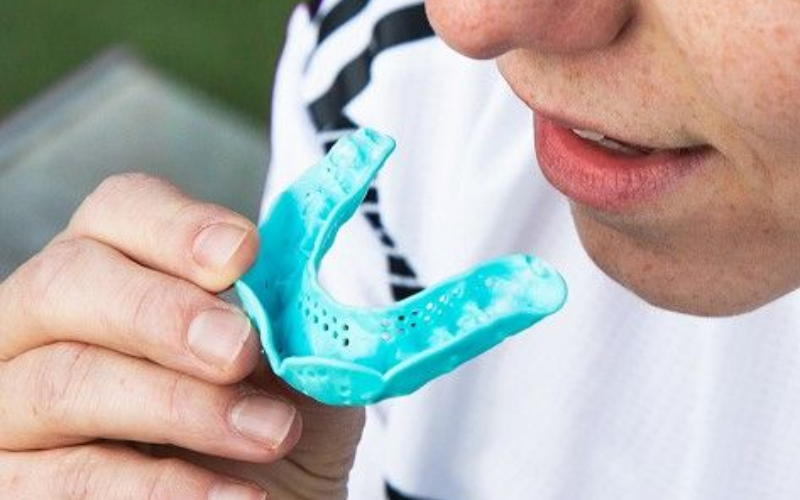
If you’ve ever woken up with a sore jaw, persistent headaches, or noticed unusual wear on your teeth, you might be wondering if an occlusal mouthguard could be the solution you need. These dental appliances are designed to protect your teeth and jaw from the damaging effects of grinding and clenching, a condition known as bruxism.
So, today we’ve come up with a blog that will shed light on what occlusal mouthguards are, the signs that you may need one, their benefits, and how to choose the right type for your needs.
Occlusal Mouthguard & Its Types
An occlusal mouthguard, often referred to as a bite guard or dental splint, is a removable appliance made of durable plastic that fits over your teeth. It is typically worn at night and works by:
- Cushioning Your Teeth: Prevents direct contact between the upper and lower teeth, reducing the pressure that can lead to wear and damage.
- Alleviating Jaw Strain: Helps relax the jaw muscles and prevents clenching.
- Correcting Alignment: Can assist in aligning the jaw and teeth to a more natural position.
There are generally 3 types of occlusal mouthguards:
- Soft Mouthguards: Made of flexible material, these are comfortable and often used for mild cases of bruxism.
- Firm or Hard Mouthguards: These provide more protection and are typically recommended for moderate to severe bruxism.
- Custom-Made Mouthguards: Created by dental professionals to fit your mouth precisely, ensuring maximum comfort and effectiveness.
Signs You Need an Occlusal Mouthguard
Identifying the need for an occlusal mouthguard often involves recognizing the signs and symptoms associated with teeth grinding and jaw clenching. Here are some indicators that you may benefit from wearing one:
1. Jaw Pain or Discomfort
- Tension in the Jaw: Frequent feelings of tightness or tension in the jaw muscles, especially in the morning.
- Pain While Chewing: Difficulty or pain when chewing food can signal underlying issues related to jaw alignment.
2. Frequent Headaches
- Morning Headaches: Regular headaches, particularly those that occur upon waking, can be a sign of bruxism.
- Temporomandibular Joint (TMJ) Discomfort: Pain around the jaw joint may suggest that teeth grinding is affecting your jaw.
3. Tooth Sensitivity & Wear
- Increased Sensitivity: Worn-down enamel from grinding can cause sensitivity to hot, cold, or sweet foods.
- Visible Tooth Damage: Look for flattened or chipped teeth, which are indicators of excessive grinding.
4. Sleep Disturbances
- Restless Nights: Frequent waking during the night due to jaw pain or discomfort can indicate the need for a mouthguard.
- Sleep Apnea: Some individuals with sleep apnea may also grind their teeth, making a mouthguard beneficial.
5. Stress or Anxiety
- Emotional Stress: Extreme stress and anxiety can exacerbate bruxism. If you find yourself grinding your teeth during stressful times, it might be a good idea to consider a mouthguard.
Benefits of Using This Mouthguard
Investing in an occlusal mouthguard can yield numerous benefits for your dental health and overall well-being. Here are some key advantages:
1. Protection Against Tooth Damage
- Prevents Wear and Tear: Mouthguards help preserve the enamel of your teeth, preventing extensive damage that can result from grinding.
- Minimizes Chipping and Cracking: They act as a buffer to prevent chips and fractures that can lead to costly dental repairs.
2. Reduces Jaw & Muscle Pain
- Relieves Tension: A mouthguard can help alleviate pain and discomfort associated with bruxism by reducing the strain on your jaw muscles.
- Improves Overall Comfort: Waking up with less pain can improve your quality of life and overall comfort.
3. Promotes Better Sleep
- Reduces Sleep Disruptions: Many users report better sleep quality after starting to wear a mouthguard.
- Decreases Nighttime Grinding: By cushioning the teeth and jaw, a mouthguard minimizes grinding, leading to a more restful night.
4. A Cost-Effective Solution
- Prevents More Expensive Dental Procedures: By protecting your teeth and jaw, a mouthguard can help you avoid more costly treatments like crowns, bridges, or root canals.
How To Choose The Right Occlusal Mouthguard For Yourself?
When considering an occlusal mouthguard, it’s essential to select one that fits your needs. Here are some tips for choosing the right mouthguard:
1. Consult With Our Dentist
- Professional Evaluation: Our professional dentist can assess your specific situation and recommend the best type of mouthguard for you.
- Custom Fit: If necessary, our dentist can create a custom mouthguard tailored to your teeth and jaw structure.
2. Consider Your Lifestyle
- Level of Activity: If you engage in sports, a more durable mouthguard may be necessary for protection during physical activities.
- Comfort Level: Ensure that the mouthguard you choose feels comfortable and doesn’t interfere with your ability to breathe or speak.
3. Evaluate The Material
- Soft vs. Hard: Determine whether a soft or hard material will best suit your needs based on the severity of your bruxism.
- Durability: Choose a material that will withstand daily wear and tear while providing the necessary protection.
An occlusal mouthguard can be a valuable tool for anyone suffering from the effects of teeth grinding and jaw clenching. By recognizing the signs that you may need one, you can take proactive steps toward protecting your dental health and enhancing your quality of life.
If you notice symptoms like jaw pain, headaches, or tooth sensitivity, consult with our dentist to determine if an occlusal mouthguard is the right solution for you. Remember, investing in your oral health today can lead to significant advantages.