1133 Bryan Rd. O'Fallon, MO 63366

How Long Does Orthodontic Treatment Take? A Guide To Treatment Timeline


Orthodontic treatment is a significant investment in both time and resources, but the results are a lifelong reward. One of the most common questions patients ask before beginning treatment is, “How long will it take?” The answer depends on various factors, including the type of orthodontic treatment, the complexity of the dental issues, and the patient’s age.
Today’s blog will walk you through the typical timelines for different orthodontic treatments, the factors that can affect the duration, and how you can help expedite your journey to a beautifully aligned smile.
Types of Orthodontic Treatments and Their Timelines
The timeline for these treatments varies significantly based on the type of treatment you choose. Let’s take a look at some of the most common options:
1. Traditional Metal Braces
Average Treatment Time: 18–36 months
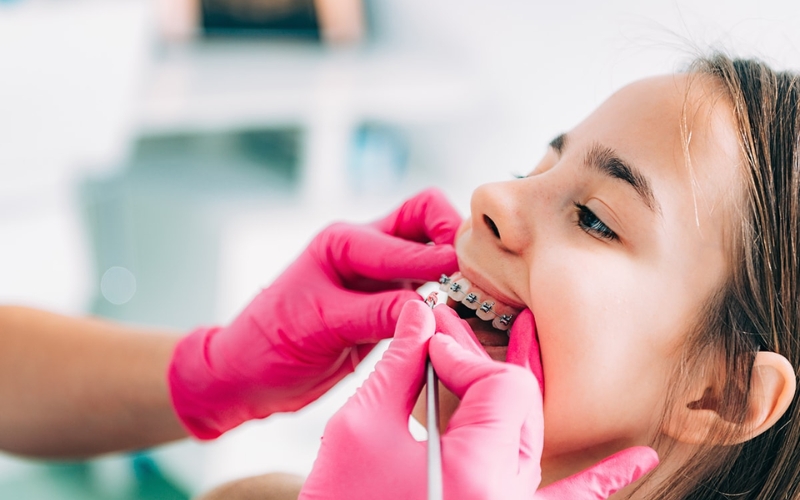
Conventional metal braces are among the most popular and successful orthodontic treatments to straighten crooked teeth. They involve attaching brackets to the teeth and connecting them with wires, which are periodically adjusted to gradually move the teeth into the correct position.
- Best for: Complex cases, including severe overcrowding, large gaps, and significant bite issues.
- Typical duration: Most patients wear metal braces for 18 to 36 months, depending on the complexity of the problem.
2. Ceramic Braces
Average Treatment Time: 18–36 months
Ceramic braces function similarly to metal braces, but they use clear or tooth-colored brackets, making them less noticeable. They are a popular choice for adults and teens who want a more discreet option.
- Best for: Complex cases where aesthetic concerns are important.
- Typical duration: Similar to metal braces, ceramic braces are typically worn for 18 to 36 months.
3. Lingual or Hidden Braces
Average Treatment Time: 18–36 months
Lingual braces are attached to the back (lingual side) of your teeth, making them invisible from the outside. This is a more specialized treatment and can be slightly more complex due to the positioning of the braces.
- Best for: Patients who need a discreet option for complex orthodontic issues.
- Typical duration: The treatment time is comparable to traditional braces, typically ranging from 18 to 36 months.
4. Invisalign (Clear Aligners)
Average Treatment Time: 12–24 months
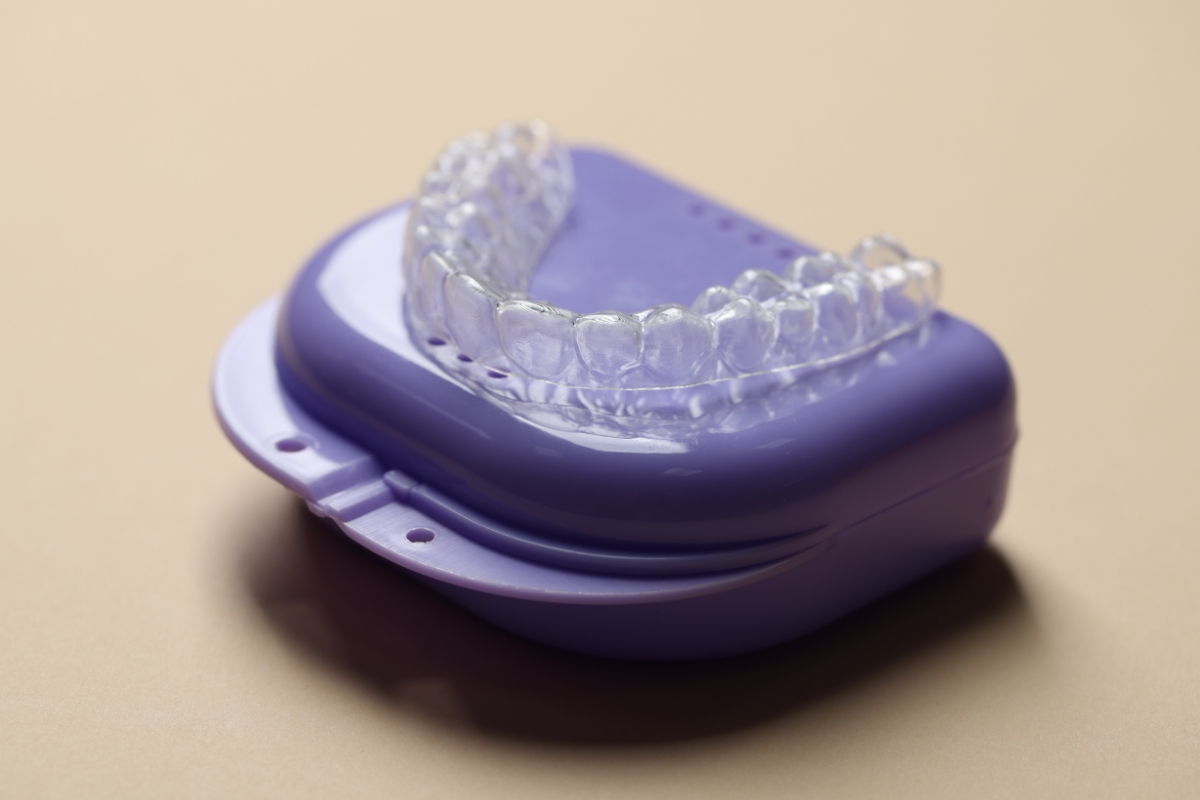
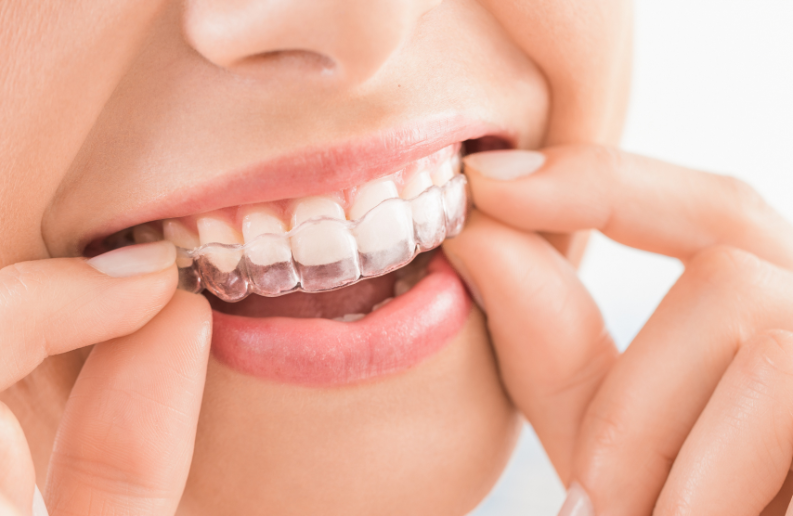
Invisalign and other clear aligner systems are a popular choice for patients looking for a nearly invisible option to straighten their teeth. These aligners are custom-made to fit snugly over your teeth and are replaced every few weeks to gradually shift your teeth into position.
- Best for: Mild to moderate misalignment, spacing, and bite issues.
- Typical duration: Clear aligners like Invisalign usually take 12 to 24 months, but treatment time can vary based on the complexity of the case.
5. Self-Ligating Braces
Average Treatment Time: 12–30 months
Similar to typical braces, self-ligating braces secure the wire in place with latches or clips rather than elastic bands. This reduces friction and can sometimes lead to a quicker treatment process.
- Best for: Mild to moderate crowding and alignment issues.
- Typical duration: Depending on the severity of the condition, self-ligating braces can be worn for 12 to 30 months.
Factors That Affect Orthodontic Treatment Timeline
The overall length of orthodontic treatment can vary based on several individual factors. Understanding these can help you manage your expectations and work towards achieving the best possible results.
1. Severity of the Dental Problem
- Complex issues: Severe crowding, large gaps, or jaw misalignment will naturally take longer to correct.
- Mild misalignment: Simpler issues, such as minor spacing or slight rotations, can often be resolved more quickly.
2. Patient’s Age
- Younger patients: Children and teenagers often have faster treatment times because their jaws and teeth are still developing, making them more responsive to movement.
- Adults: Orthodontic treatment for adults can take longer, as the bones are denser and fully developed, but advancements like clear aligners and accelerated orthodontics can still offer timely results.
3. Type of Treatment
- Traditional braces: These are usually recommended for more complex cases, resulting in longer treatment durations.
- Clear aligners: These work best for mild to moderate cases and tend to offer faster results.
- Accelerated methods: Techniques like micro-osteoperforation or vibration therapy can significantly shorten treatment time.
4. Patient Compliance
- Wearing aligners: Patients using clear aligners must wear them for at least 20-22 hours a day to stay on schedule. Not wearing them consistently can extend treatment time.
- Oral hygiene: Poor oral hygiene or not following your orthodontist’s instructions can lead to complications that delay treatment.
5. Frequency of Orthodontic Adjustments
- Regular visits: Orthodontic adjustments are usually required every 4-6 weeks for traditional braces or aligner replacements every 2-4 weeks for Invisalign. Missing appointments or delaying adjustments can prolong treatment.
6. Use of Retainers Post-Treatment
- Retention phase: After your braces or aligners are removed, you’ll need to wear a retainer to prevent your teeth from shifting back. While this doesn’t affect the active treatment time, skipping your retainer can lead to a relapse, requiring additional treatment.
Tips for Reducing The Treatment Time
While some factors, like the complexity of your case, are out of your control, there are steps you can take to help minimize your orthodontic treatment time:
- Follow your orthodontist’s instructions: Adhering to the treatment plan and attending regular check-ups is key to staying on track.
- Wear aligners as directed: If you’re using clear aligners, ensure you wear them for the recommended amount of time each day.
- Maintain good oral hygiene: Keeping your teeth clean and healthy will help prevent delays caused by cavities or gum disease.
- Consider accelerated options: Ask your orthodontist about accelerated techniques if you’re looking to shorten your treatment timeline.
Orthodontic treatment time varies on the type of treatment, severity of dental issues, and individual factors like age and compliance. On average, most orthodontic treatments range from 12 to 36 months, with some cases completed more quickly with the help of advanced technologies.
Following your orthodontist’s recommendations, maintaining good oral hygiene, and staying committed to the treatment plan will ensure a smooth and efficient process. Whether you’re choosing traditional braces, clear aligners, or accelerated orthodontics, the result will be a healthier, more beautiful smile that lasts a lifetime.