1133 Bryan Rd. O'Fallon, MO 63366

What Happens If I Lose My Clear Aligner Tray While Vacationing Away From O’Fallon?


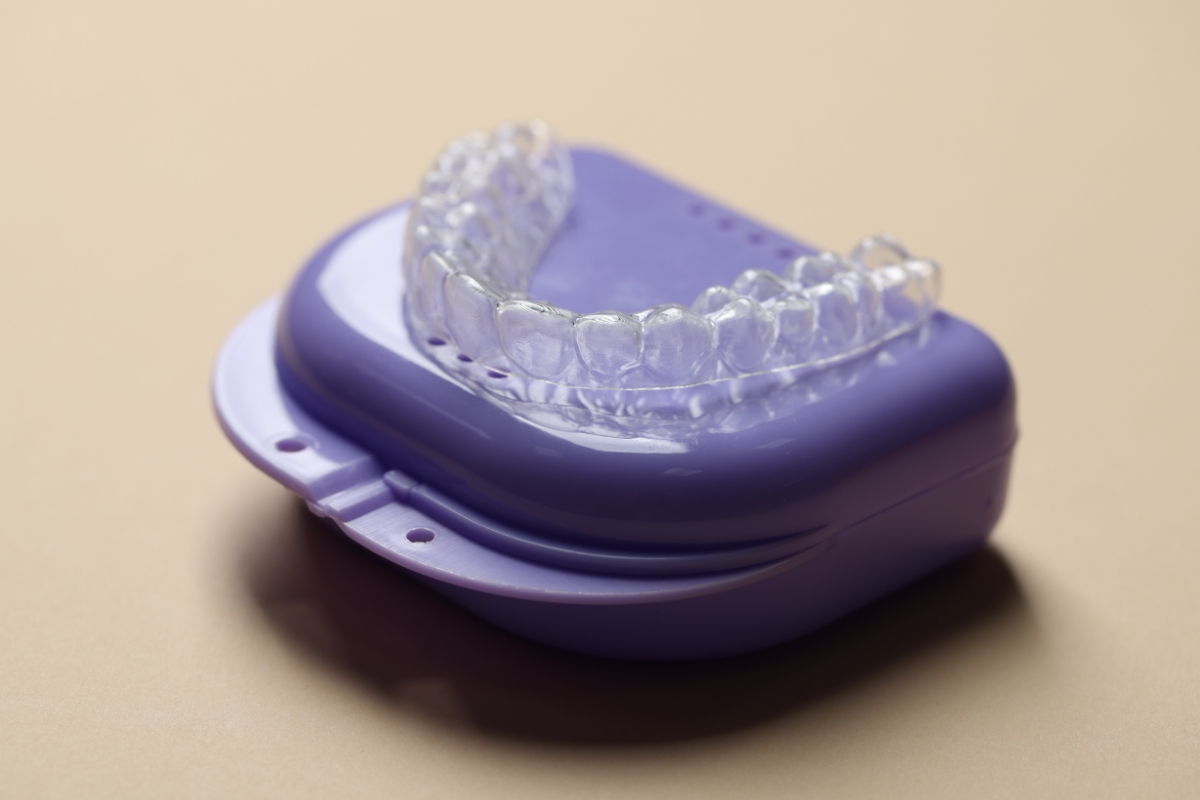
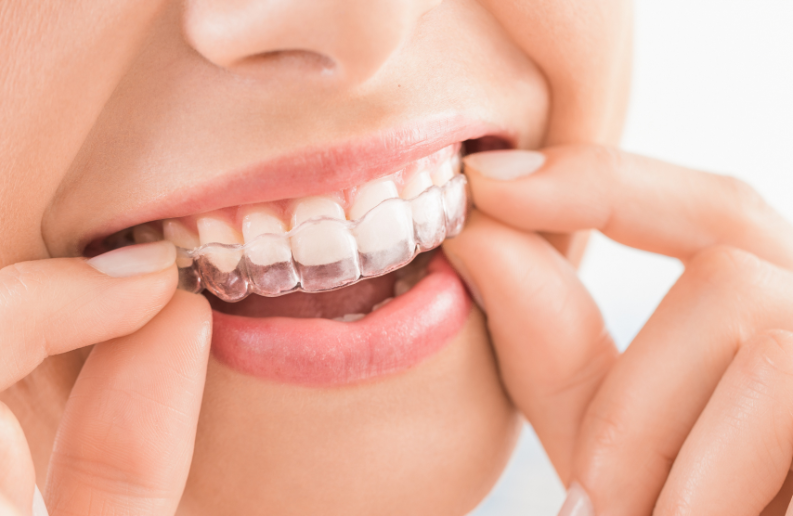
You’re a few days into vacation. The trip is going well — until that sinking moment when you realize your aligner case is empty and you have no idea where the tray went. Maybe it got wrapped in a napkin at dinner and tossed. Maybe it slipped out of a bag. Maybe it’s somewhere in a hotel room you’ve already checked out of. Whatever happened, you’re now hours or days from home, mid-treatment, and completely unsure what to do next.
This scenario happens more often than people expect. Clear aligner trays are small, semi-transparent, and easy to misplace — especially when you’re out of your normal routine and eating at unfamiliar places. The good news is that losing a tray is manageable. How you handle the next 24 to 48 hours matters, but it’s not the disaster it might feel like in that first panicked moment.
Here’s a practical, step-by-step guide to what you should do — and what you should avoid — to protect your treatment progress until you’re back home.
Your First Step: Contact Your Dental Team Right Away
Before anything else, reach out to your dentist. For patients receiving clear aligners in O’Fallon through Twin Oaks Family Dental, the team can assess your situation remotely and advise on the best course of action based on your current treatment plan. The guidance you receive will vary depending on a few factors: how long you’ve been wearing the current tray, how many trays you have left in your series, and whether you have your previous or next tray accessible.
Don’t wait until you’re home to make that call. The sooner your dentist knows, the more options you have. Most dental offices can advise patients remotely via phone or message, and the guidance will be specific to your case rather than generic.
The Three Most Common Scenarios — and What to Do in Each
Scenario One: Move to Your Next Tray Early
If you’ve been wearing the lost tray for most of its intended wear period — typically seven or more days into a two-week cycle — your dentist may advise you to move to the next tray in your series. At that point in the wear cycle, the teeth have done most of the movement that the tray was designed to achieve. Jumping ahead by a few days is a much smaller issue than going without any aligner for an extended period.
Moving to the next tray early can feel tighter than usual, since the full wear period wasn’t completed. This is normal. Some mild discomfort or pressure for the first day or two isn’t a sign that anything is wrong — it just reflects the slight gap between where your teeth are and where the new tray is guiding them. If the tightness is significant or you have concerns, flag it with your provider before proceeding.
Scenario Two: Go Back to Your Previous Tray
If you lost the tray early in its wear cycle — say, within the first few days — and you still have your previous tray, your dentist will likely advise you to wear that one instead. It won’t continue moving your teeth forward, but it will maintain the progress you’ve already made and prevent regression. Think of it as a holding pattern: you’re not advancing, but you’re also not losing ground.
This is exactly why packing your previous tray when traveling is worth making a habit. It takes up almost no space and serves as a practical safety net in situations like this one.
Scenario Three: Neither Tray Is Available
This is the more stressful situation: you don’t have the previous tray, and the next tray isn’t with you. Here, the priority is minimizing the time your teeth spend without any aligner in place. Teeth begin shifting back toward their pre-treatment positions as soon as pressure is removed — not dramatically in 24 hours, but meaningfully over several days. The longer the gap, the more adjustments the next tray will require to get back on track.
Your dentist may be able to contact the aligner manufacturer to expedite a replacement tray to your vacation location. This isn’t always possible within a short window, but it’s worth asking about, particularly if your trip extends beyond three to four days. In some cases, a dental office local to your vacation destination can fabricate a temporary retainer to hold your progress until you return home.
What Not to Do When a Tray Goes Missing on Vacation
A few responses to a lost tray make the situation worse, not better. Here’s what to avoid:
- Don’t skip wearing any aligner for more than two to three days without provider guidance. Teeth shift faster than most people expect without the consistent pressure of an aligner keeping them in place.
- Don’t try to DIY a solution. There are no over-the-counter substitutes for a custom clear aligner. Products designed for teeth whitening or generic retainer trays available at drugstores are not a functional replacement and can interfere with your treatment plan.
- Don’t assume it will sort itself out. Even a few days without an aligner can require your next tray to work harder to get your teeth back to where they should be. For some patients, mid-treatment, this means an additional tray is needed to compensate.
- Don’t try to advance two trays at once when you return. Skipping a tray to make up lost time is never advisable. Tray sequences are calibrated to move teeth in specific increments, and skipping disrupts that precision.
Prevention: How to Travel With Aligners Without the Anxiety
Once you’ve been through the experience of a lost tray, it’s easy to become a more careful traveler. A few habits eliminate most of the risk:
- Always pack your previous tray as a backup. It fits in the same case as your current one and serves as an insurance policy for exactly this kind of situation.
- Never wrap your aligner in a napkin. This is one of the most common ways trays are accidentally discarded. Take your case to the table or excuse yourself to a restroom with it.
- Keep your aligner case in one consistent spot in your bag. Muscle memory matters when you’re tired or distracted. Storing it in the same outer pocket every time makes it faster to access and harder to lose.
- Use a brightly colored case. Clear or white cases are easy to miss on a hotel nightstand or in a dim restaurant. A case in a vivid color stands out.
- Set phone reminders for removal and reinsertion. Vacations disrupt routine, which is when the 20-to-22-hours-per-day wear schedule tends to slip. Reminders keep compliance on track even when your schedule is flexible.
Lost a Tray? Don’t Wait to Reach Out.
A lost aligner is stressful, but it’s a problem with a clear solution when you act quickly and communicate with your dental team. The worst outcomes in these situations come from waiting, guessing, or trying to compensate without guidance. The best ones come from a quick phone call.
Call Twin Oaks Family Dental today to schedule a check-in or ask about your options. Whether you’re still on the road or just back in O’Fallon, the team is ready to help you get your treatment back on track without losing progress.
People Also Ask
Will losing one tray ruin my entire treatment plan?
Not in most cases. Losing a single tray and managing it appropriately — by using a previous tray, advancing early with provider guidance, or minimizing the gap period — typically causes a minor delay rather than a treatment failure. Your dentist will reassess your case when you return and adjust the plan if needed. Clear aligner treatment is designed with some flexibility built in, precisely because real life involves unexpected situations.
Can I visit a dentist in another state to get a replacement tray?
A dentist in another state cannot prescribe or dispense your specific aligner trays — your treatment is tied to your dentist and your unique digital treatment plan. However, a local dentist can fabricate a temporary retainer to hold your teeth in place until you return home, and your own provider can sometimes arrange to have a replacement tray shipped directly to you if you’re away for an extended period. Call your home provider first to determine which option makes the most sense for your situation.
How quickly do teeth shift when you’re not wearing an aligner?
The rate of shifting depends on several factors, including how far into treatment you are, your individual bone density, and how long you go without a tray. In the early stages of treatment, teeth are being moved more actively and may shift back more quickly. Later in treatment, when teeth have already moved significantly, the rate may be slower. As a general rule, most dentists consider any period beyond 72 hours without an aligner to be a clinically meaningful gap warranting reassessment.
Is there a fee to replace a lost aligner tray?
This varies by provider and by the specific aligner brand. Some treatment packages include one replacement tray at no additional charge, while others bill for replacements. The aligner manufacturer also has its own policies for replacement orders. Your dentist is the right person to ask about this specifically — and it’s worth asking upfront during your initial consultation rather than finding out mid-treatment. Twin Oaks Family Dental can walk you through the replacement process and any associated considerations before a trip becomes a problem.
Should I still wear my previous tray even if it feels loose?
Yes, if your dentist has advised using your previous tray as a backup. A tray that feels loose simply reflects the fact that your teeth have already moved past the position it was designed to hold, which is actually a sign your treatment has been working. A loose previous tray still provides meaningful retention. It won’t drive new tooth movement, but it significantly slows regression compared to wearing no tray at all. Clean it thoroughly before use and follow the same wear schedule you normally would.