1133 Bryan Rd. O'Fallon, MO 63366

What Happens if You Don’t Use Your Dental Benefits?


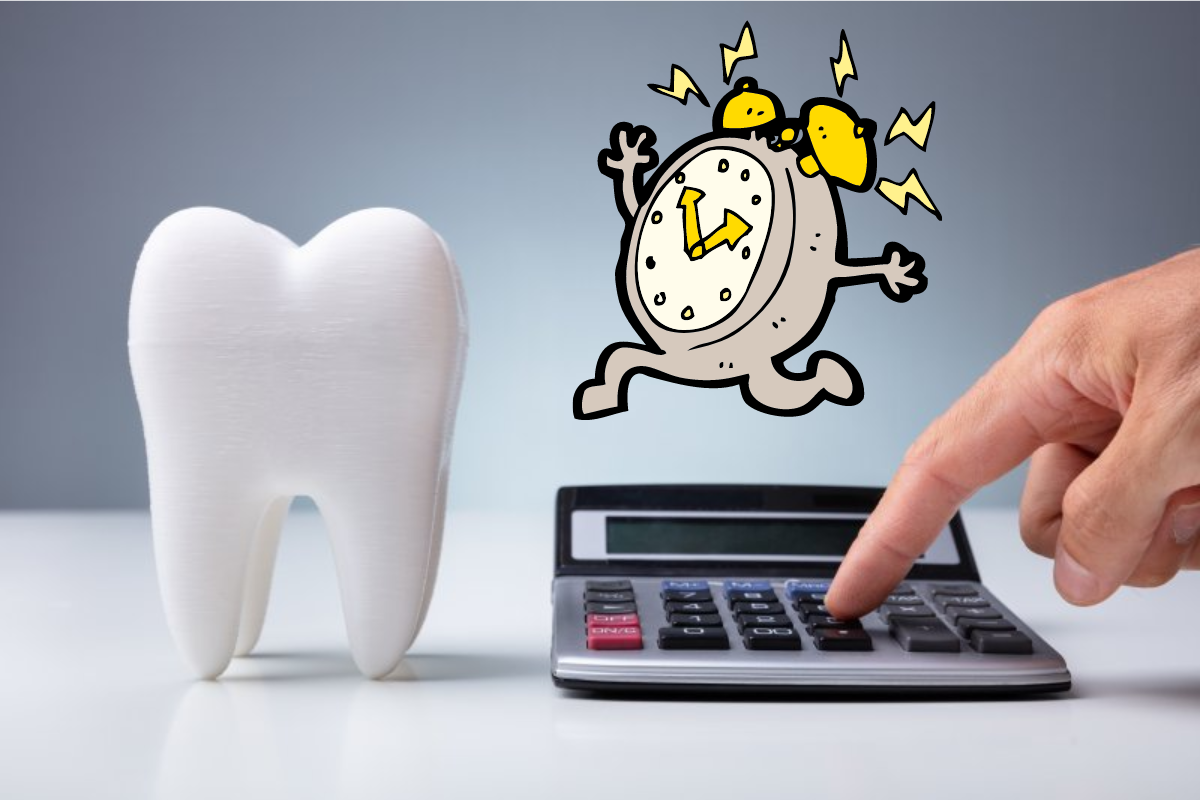
Most people simply don’t realize their dental benefits reset at the end of the year. Unused coverage disappears once the calendar flips. At Twin Oaks Family Dental, we want to help you make the most of your dental insurance and get you the care you need before those benefits expire. But what happens if you don’t use your dental benefits? Let’s explore the consequences and why you shouldn’t wait until it’s too late.
Expiration of Dental Benefits: How It Affects You
Dental benefits help pay for preventive care, such as checkups, cleanings, and X-rays. These routine visits are important for maintaining good oral health, and many times can head off larger, more costly problems later on. However, most dental insurance plans are set up on a “use it or lose it” policy in that unused benefits expire at the end of the year. This means you must either use your annual benefits or forfeit them.
When you don’t use it, you’re paying for coverage you never used. A dental insurance timeline gives a fixed dollar amount for procedures, such as preventive visits, fillings, crowns, and many more. Allowing these benefits to go unused means you’re not taking full advantage of what you’ve paid for-and that’s money left on the table.
What Happens When You Don’t Use Your Benefits?
While skipping dental visits may seem harmless, not visiting can have serious consequences that tend to add up. Due to a lack of regular checkups, minor problems such as cavities, gum disease, or tooth decay could go unnoticed and gradually worsen. What starts as a minor issue can escalate into more costly treatments, from root canals to tooth extractions.
Regular dental visits ensure that your oral health is at its best. Dental insurance covers basic services such as routine exams and cleanings; why not use them to catch problems early and save yourself from costly dental procedures later in life?
How Dental Coverage Works and Why It Matters
Dental insurance helps you manage the cost of oral care. Most dental plans cover preventive care fully or at a low out-of-pocket expense. The benefits covered in most insurance plans include two annual checkups, besides basic diagnostic procedures such as cleanings and exams.
But when you don’t use your benefits, you’re losing out on more than just cleaning and free checkups; if you don’t go for preventive care, you develop dental problems that could have been avoided and call for more intensive treatments. For example, cavities that are not treated will progress to fillings, crowns, and even tooth extraction. The longer you wait, the costs go up, and the treatments become more time-consuming.
Many dental plans also offer coverage for more complex procedures, such as orthodontics, periodontal treatments, and restorative work. Taking advantage of your plan now will help offset the cost if you need these procedures later.
Get the Most Out of Your Dental Benefits
The purpose of dental insurance is to give you peace of mind, but if you are not using it, you’re wasting the opportunity to save on dental care. Be proactive and schedule your checkups and cleaning appointments to get the most value out of your coverage. Most plans cover two visits per year, and if you haven’t used both, now’s the time to schedule one before the year ends.
Consider breaking up any extensive procedures that may exceed your annual limit. For example, you might begin a treatment at the end of this year and finish it in the new year, thereby maximizing your dental benefits over two coverage periods. This would maximize your coverage without reaching your plan limits.
Don’t Wait – Use Your Benefits Now
The good news is that while the “use it or lose it” rule is strict, avoiding losing your benefits is quite simple. With some simple planning, you can ensure your dental health stays on track while saving money. At Twin Oaks Family Dental, we help you navigate your dental insurance and maximize your coverage. Don’t wait until the end of the year-schedule your appointment today and use your benefits before they expire.