1133 Bryan Rd. O'Fallon, MO 63366

Hold That Smile: Importance Of Retention After Braces


Getting a beautiful smile after months or years of wearing braces is an incredible milestone. However, the journey to maintaining that perfect alignment doesn’t end when the braces come off. Retention plays a critical role in ensuring your teeth remain in their new positions for the long term.
Without proper retention, your teeth could shift back to their original alignment, undoing all the hard work that braces accomplished. In this blog, we will explore the importance of retention, the types of retainers available, and how to maintain your new smile for life.
Why Is Retention Important After Braces?
Once your braces are removed, your teeth are vulnerable to shifting. Teeth are held in place by surrounding bone, ligaments, and tissues, but these structures need time to adapt to the new alignment created by braces. Retainers help stabilize your teeth during this transitional phase, giving the bone and ligaments time to adjust and solidify around the new positions of your teeth.
Here are some key reasons why retention is vital after braces:
- Teeth Can Shift Back: Teeth naturally tend to shift back to their original positions, a process known as “relapse.” Retainers prevent this by holding them in place.
- Jaw and Bone Remodeling: After braces, the bone around your teeth is still soft and adjusting. Retainers help support the bone’s remodeling process.
- Lifelong Alignment: Retention ensures the lasting results of your orthodontic treatment, keeping your smile aligned and beautiful for years to come.
How Long Do You Need To Wear a Retainer?
Orthodontists typically recommend wearing retainers for the rest of your life to prevent relapse. However, the intensity of retainer use varies over time. Immediately after braces, you’ll likely need to wear your retainer full-time (day and night) for several months. As time passes, you may switch to wearing it only at night.
Your orthodontist will give you specific guidance based on your individual treatment, but here’s a general timeline for retainer use:
- First 3-6 months: Full-time wear, except when eating or brushing.
- 6-12 months post-braces: Transition to wearing retainers only at night.
- Beyond 1 year: Nighttime wear may continue indefinitely to maintain alignment.
Types of Retainers: Which One is Right for You?
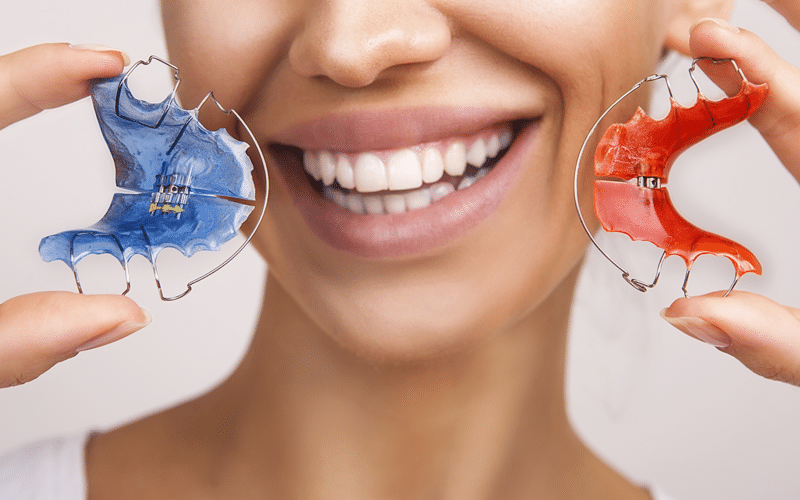
There are different types of retainers available, each with its own benefits and drawbacks. Your orthodontist will recommend the best option based on your specific needs. Let’s take a closer look at the 3 most common types of retainers:
1. Hawley Retainers
Hawley retainers are removable retainers made of acrylic and metal wire. The acrylic base fits against the roof of your mouth or behind your lower teeth, while a metal wire wraps around the front teeth to keep them in place.
- Benefits:
- Removable for easy cleaning.
- Can be adjusted if needed for a better fit.
- Durable and long-lasting.
- Drawbacks:
- The wire is visible, which may affect aesthetics.
- Slightly bulkier than other retainers.
2. Clear Plastic Retainers (Essix)
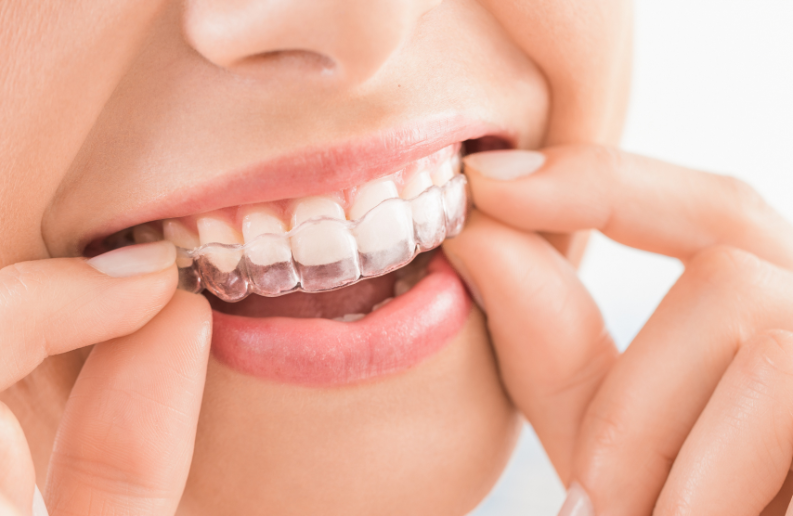
Clear plastic retainers, also known as Essix retainers, are custom-made from a clear, plastic material that fits snugly over your teeth. These retainers are almost invisible, making them a popular choice for people who want a discreet option.
- Benefits:
- Virtually invisible when worn.
- Lightweight and less noticeable.
- Removable for cleaning and eating.
- Drawbacks:
- May wear down over time and need replacement.
- More prone to damage compared to Hawley retainers.
- Cannot be adjusted once they are made.
3. Fixed Retainers (Permanent)
Fixed retainers consist of a thin wire that is permanently bonded to the back of your front teeth, typically on the lower jaw. These retainers are not removable and are intended to remain in place for several years.
- Benefits:
- Constant, long-term protection against teeth shifting.
- No need to remember to put them in or take them out.
- Not visible to others.
- Drawbacks:
- Harder to clean around, increasing the risk of plaque buildup.
- May cause discomfort if the wire breaks or becomes loose.
- Requires careful maintenance to avoid dental issues.
Common Retainer Mistakes To Avoid
While wearing a retainer is crucial for maintaining your new smile, it’s easy to make mistakes that can compromise its effectiveness. To maximize the benefits of your retainer, avoid these common errors:
- Not Wearing It as Prescribed: One of the most common reasons for teeth shifting is neglecting to wear the retainer as recommended by your orthodontist. Consistency is key, especially in the first few months after braces are removed.
- Improper Cleaning: Retainers, especially removable ones, need regular cleaning to prevent bacteria buildup and odors. Use a soft toothbrush and non-abrasive toothpaste to gently clean your retainer.
- Exposing Retainers to Heat: Plastic retainers can warp if exposed to high temperatures, such as hot water or direct sunlight. Always store your retainer in a cool, safe place.
- Forgetting to Store It Safely: Removable retainers can easily be lost or damaged if not stored in their protective case when not in use. Always keep your retainer in its case to avoid accidental damage.
How To Care for Your Retainer?
Proper care and maintenance of your retainer are essential for keeping it in good condition and ensuring it continues to do its job. Follow these tips to care for your retainer:
- Clean Your Retainer Daily: For removable retainers, clean them every day using a soft toothbrush and mild soap or toothpaste. Avoid using hot water, which can damage the plastic.
- Soak Your Retainer: You can occasionally soak your retainer in a specialized retainer cleaning solution or a mixture of water and baking soda to help remove odors and bacteria.
- Avoid Bending or Twisting: Be gentle when handling your retainer, especially clear plastic or Hawley retainers, to avoid bending the wire or plastic.
- Check for Wear and Tear: Over time, retainers may need to be replaced due to wear. Regularly check your retainer for signs of damage and schedule a visit with your orthodontist if you notice any issues.
Retention Is The Way To a Long-Lasting Smile!
Wearing braces is a significant investment in achieving a healthy, beautiful smile, but retention is the key to maintaining those results. Retainers ensure that the hard work of orthodontic treatment doesn’t go to waste by preventing teeth from shifting back to their original positions.
Your orthodontist will guide you through the process of retention, helping you choose the right retainer for your needs and providing instructions on how long to wear it. Don’t let poor retention habits undo your progress—embrace the final phase of your orthodontic journey and enjoy a lifetime of smiles.