
1133 Bryan Rd. O'Fallon, MO 63366

How To Include Fluoride In Your Daily Dental Care?


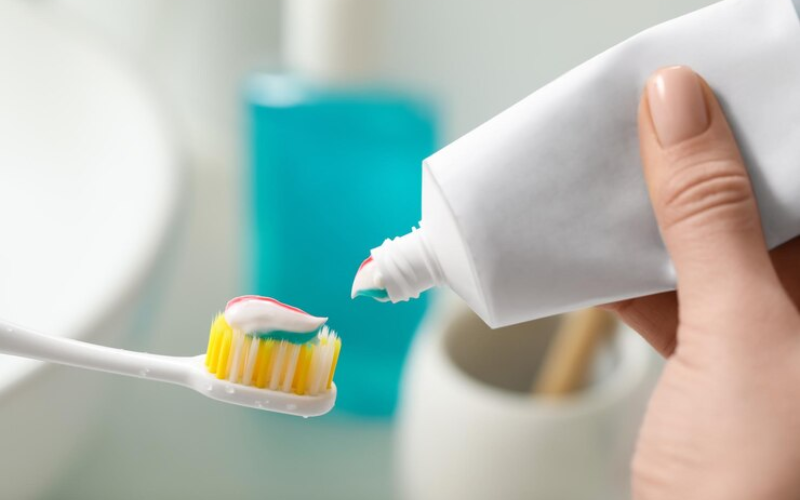
Maintaining healthy teeth is crucial for overall well-being, and fluoride treatment plays an essential role in preserving oral health. Fluoride is a natural mineral that helps strengthen tooth enamel, making it more decay-resistant.
This mineral is so effective in preventing cavities that it has been a staple in dental care for decades. Here’s a blog to explore the benefits of fluoride, how it works to protect your teeth, and practical ways to incorporate fluoride into your daily dental care routine.
What Is Fluoride?
Fluoride is a naturally occurring mineral found in water, soil, and various foods. It helps to remineralize tooth enamel, the hard outer layer that protects teeth from decay. Fluoride strengthens weakened enamel and reverses early signs of tooth decay by promoting the formation of fluorapatite, a strong, decay-resistant form of tooth enamel.
The Benefits of Fluoride for Your Teeth
Fluoride is essential for maintaining healthy teeth and gums. It works in several ways to prevent cavities and enhance oral health.
1. Strengthens Tooth Enamel
- Fluoride helps rebuild weakened enamel, making your teeth stronger and more resilient against the acid produced by bacteria in your mouth.
2. Prevents Tooth Decay
- By helping to remineralize enamel, fluoride slows the loss of minerals and prevents the early stages of tooth decay, ultimately reducing the risk of cavities.
3. Fights Harmful Bacteria
- Fluoride has antibacterial properties that help reduce the growth of plaque-causing bacteria, keeping your mouth cleaner and healthier.
4. Protects All Ages
- While fluoride is often associated with children’s dental care, it is equally beneficial for adults. Fluoride helps protect everyone from cavities, including those with a higher risk of tooth decay, such as seniors and individuals with dry mouth or braces.
How Fluoride Works To Protect Teeth?
To understand the full impact of fluoride, it’s essential to know how it works to shield your teeth from decay. Every day, acids from food and bacteria in your mouth attack your tooth enamel, leading to mineral loss.
This process is called demineralization. If not treated, demineralization can result in cavities and weakened teeth.
Fluoride helps in several ways:
- Remineralization: Fluoride adds minerals back into the enamel, making it stronger and more resistant to acid attacks.
- Preventing Demineralization: Fluoride reduces enamel breakdown by forming a protective barrier.
- Disrupting Bacterial Activity: Fluoride inhibits the ability of bacteria to produce acids that can harm the enamel, thus reducing the risk of decay.
Sources of Fluoride
There are multiple sources of fluoride that you can incorporate into your daily routine to ensure your teeth receive the protection they need. These include water, toothpaste, mouthwash, and professional treatments.
1. Fluoridated Water
- Many communities add fluoride to public water supplies to help prevent tooth decay. Drinking fluoridated water is one of the simplest and most effective ways to protect your teeth. If your water supply is not fluoridated, you can opt for bottled water that contains added fluoride.
2. Fluoride Toothpaste
- Fluoride toothpaste is one of the most common and effective ways to deliver fluoride directly to your teeth. Most toothpaste brands contain fluoride, but it’s essential to check the label to ensure you’re getting the right amount.
- How to Use: Brush with fluoride toothpaste twice daily for two minutes, making sure to reach all surfaces of your teeth.
3. Fluoride Mouthwash
- Fluoride mouthwash can provide an additional layer of protection, especially for individuals at higher risk for cavities. These mouthwashes typically contain higher fluoride concentrations and are designed to reach areas that brushing may miss.
- How To Use: Use fluoride mouthwash once or twice daily after brushing and flossing. Swish it around your mouth for 30 seconds before spitting it out.
4. Professional Fluoride Treatment
- Your dentist can apply a more concentrated fluoride gel, foam, or varnish during your dental checkups. These treatments offer an extra boost of fluoride, especially for people with a higher risk of decay, such as those with braces, dry mouth, or weakened enamel.
- How to Use: Ask your dentist about the fluoride treatment at your regular dental exams.
5. Fluoride Supplements
- In cases where fluoride levels in water or food are insufficient, your dentist or doctor may recommend fluoride supplements in the form of tablets or drops. These are often prescribed for children living in areas without fluoridated water.
- How to Use: Take supplements as directed by your healthcare provider to avoid excess fluoride intake, which can lead to dental fluorosis (a condition that causes white spots on teeth).
Incorporating Fluoride into Your Daily Dental Care Routine
Now that you understand the sources and benefits of fluoride, it’s time to integrate it into your daily oral hygiene routine. Here’s how:
1. Brush Twice Daily with Fluoride Toothpaste
- Brushing your teeth twice a day for two minutes each time is critical for removing plaque and preventing cavities. Be sure to use fluoride toothpaste to strengthen your enamel while brushing.
2. Use Fluoride Mouthwash
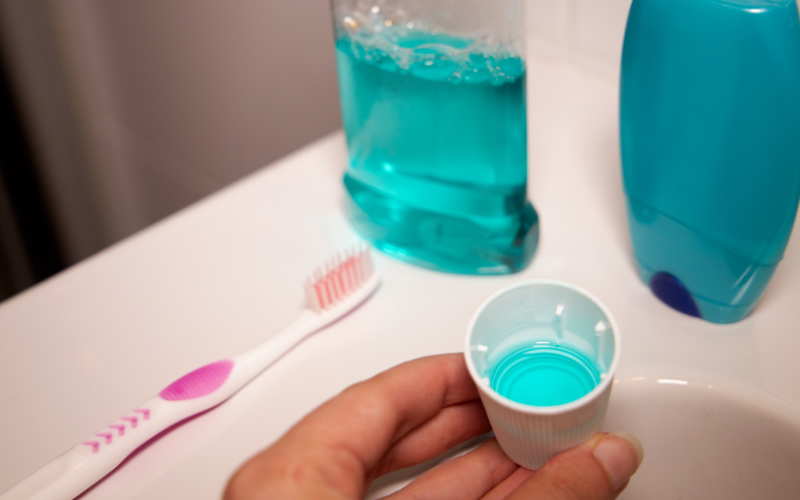
- Consider adding fluoride mouthwash to your routine, especially if you are prone to cavities. Swishing with fluoride mouthwash can reach areas that brushing might miss, such as between the teeth and along the gumline.
3. Drink Fluoridated Water
- Whenever possible, opt for fluoridated tap water. Drinking water throughout the day can help wash away food particles and provide continuous fluoride exposure to strengthen your teeth.
4. Visit Your Dentist for Fluoride Treatment
- Regular dental checkups and professional fluoride treatment can help protect your teeth from decay. During your visits, your dentist can assess your fluoride needs and apply a concentrated fluoride treatment if necessary.
5. Monitor Fluoride Intake for Children
- While fluoride is essential for developing strong teeth in children, too much fluoride can lead to dental fluorosis. To prevent this, supervise children when they brush to ensure they use a pea-sized amount of fluoride toothpaste and avoid swallowing it.
Tips To Maximize Fluoride Protection
Here are a few extra tips to help you get the most out of fluoride in your daily routine:
- Use a Soft-Bristled Toothbrush: A soft-bristled toothbrush helps protect your enamel while brushing, allowing the fluoride to work effectively without causing damage.
- Avoid Rinsing Immediately After Brushing: To allow the fluoride to absorb into your teeth, avoid rinsing your mouth with water immediately after brushing.
- Limit Sugary Foods and Drinks: Sugary foods and acidic drinks can weaken enamel. Pairing a low-sugar diet with fluoride use can further protect your teeth from decay.
Fluoride is a powerful tool in the fight against tooth decay, offering both preventive and restorative benefits for people of all ages. By incorporating fluoride into your daily dental care routine through toothpaste, mouthwash, and water consumption, you can protect your teeth from cavities and maintain strong, healthy enamel.
Taking advantage of fluoride’s natural protective properties will not only improve your oral health but also save you from more complex dental issues in the future. Make sure you include fluoride in your everyday routine to keep your teeth strong and your smile confident!